
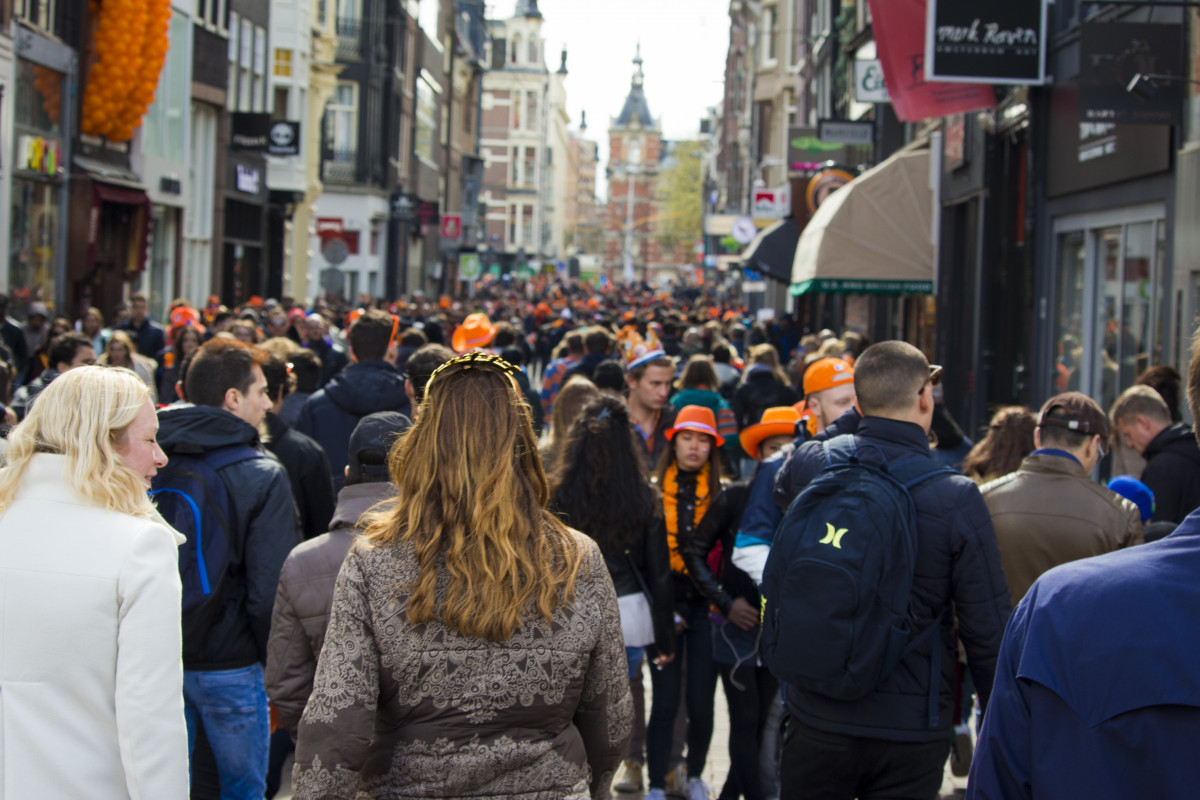
In recent years, the way we approach and perceive security at large public events and fairs has undergone significant changes.
The transformation is evident in the strategies deployed by event organizers, the technology used for safety measures and the public's sentiment towards attending such gatherings.
This evolution is driven by a combination of technological advancements, increased awareness of potential risks and a collective desire to ensure the safety of all attendees.
From reactive to proactive security
Historically, security measures at large events were primarily focused on crowd control and the prevention of minor disturbances. The approach was reactive, with security personnel responding to issues as they arose.
The turning point came with the increase in global awareness of potential threats, including terrorism, mass shootings and other forms of violence.
This shift prompted a change in perspective, both from organizers and attendees. Security measures became more proactive, with a focus on preventing incidents before they could occur.
Technology and public perception
Technological advancements have played a pivotal role in transforming security measures at public events. These advancements have enabled a more sophisticated approach to security.
As security measures have evolved, so too has the public's sentiment towards attending large events.
Initially, the increased security presence and the inconvenience of checks might have been met with frustration. Over time, there has been a noticeable shift in perception.
Today, many attendees view these measures as reassuring, understanding that they are essential for their safety.
Looking ahead
The future of security at large public events and fairs promises even more innovation.
With the ongoing development of smart technology and the integration of digital platforms, we can expect to see more personalized and efficient security measures.
The evolution of security sentiment reflects society's changing priorities and technological advancements. The methods used to ensure safety continue to evolve.
Contact us